Have you ever noticed changes in your stool patterns during times of emotional stress or anxiety? If that made you wonder can stool reflect mental health, you’re not imagining things.
The gut-brain connection is a powerful, scientifically backed relationship that impacts everything from your mood to your mental clarity.
And yes, even your bowel movements.
Let’s explore how your poop can reveal what’s going on in your mind and how improving gut health can support better emotional balance.
What Is the Gut-Brain Axis?
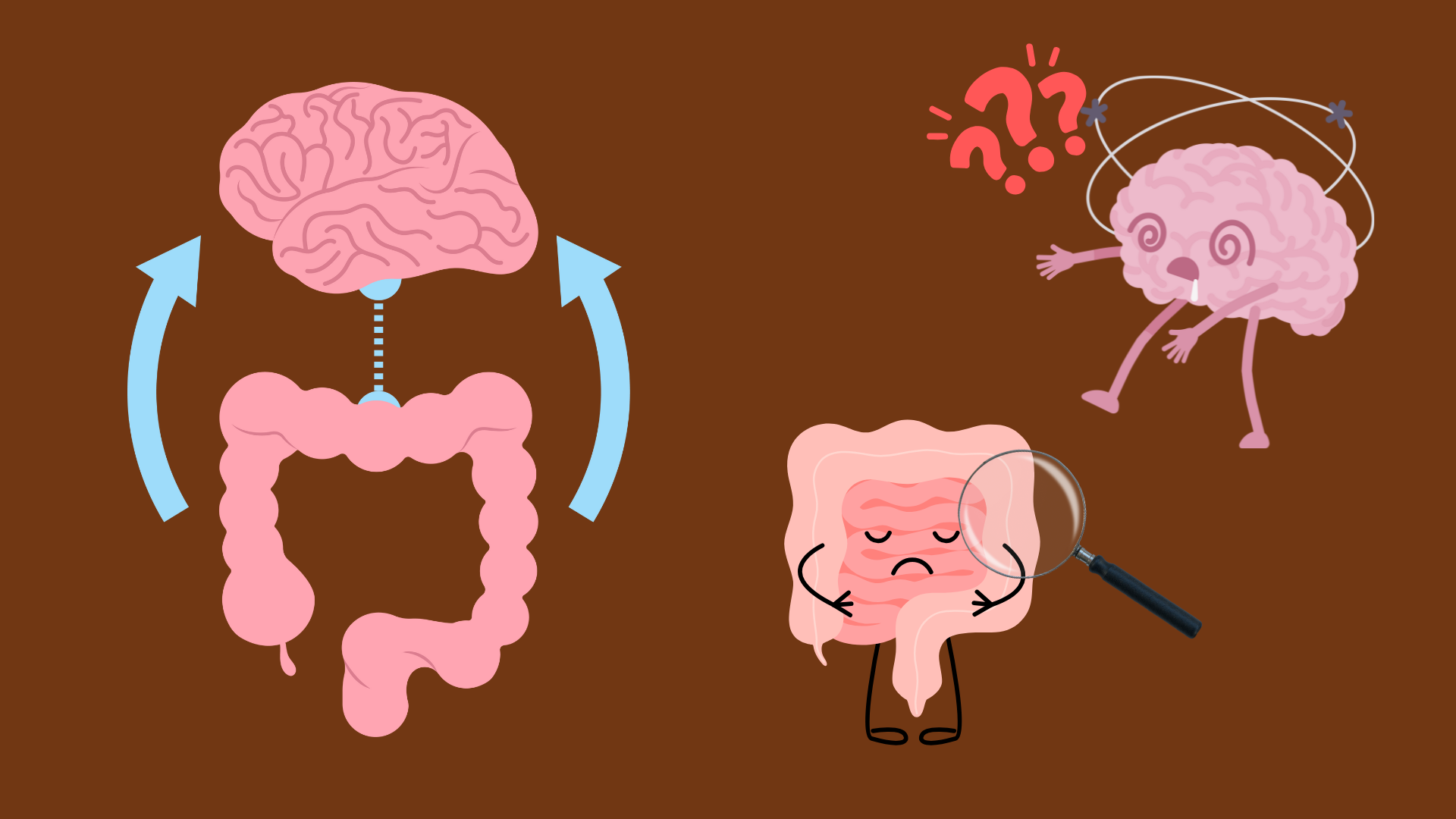
The gut-brain axis refers to the constant communication between your digestive system and your brain.
This dialogue happens through a network of pathways, with the vagus nerve playing a major role. Acting like a two-way street, it sends signals from your brain to your gut and vice versa. This means that emotional stress can trigger digestive issues, and gut dysfunction can influence your mental health.
To understand the Gut-Brain Axis in more detail, read this.
Stress, Anxiety, and Your Stool
One of the clearest examples of the gut-brain link is how bowel movement changes occur due to stress. In moments of stress, the body enters “fight or flight” mode, disrupting digestion. This can lead to:
- Loose stools or diarrhea
- Constipation
- Bloating or cramping
- Sudden urgency or discomfort
These aren’t just physical symptoms, but also signs that your body is reacting emotionally.
For some, stool consistency changes may reflect underlying psychological disorders, including chronic stress, anxiety, or depression.
Serotonin: The Mood Molecule in Your Gut

Serotonin regulates mood, sleep, appetite, and yes, digestion. When your gut microbiome (the trillions of bacteria in your digestive tract) is out of balance, your serotonin levels can take a hit which affects both your mental health and bowel regularity.
This helps explain the strong link between gut health and mood swings in adults.
A poorly functioning gut can lead to mental health symptoms caused by poor digestion, including brain fog, irritability, low mood, and anxiety.
What Your Poop Says About Your Mind: Bristol Stool Chart & Anxiety
The Bristol Stool Chart is a useful tool to understand stool consistency, and potentially, your emotional state.
Here’s a quick summary of how it may reflect mental health:
- Type 1-2 (Hard/constipated): Could signal anxiety or stress-related slow digestion.
- Type 3-4 (Ideal): Often associated with balanced gut-brain health.
- Type 5-7 (Loose/urgent): May reflect heightened stress or gut inflammation.
The Bristol Stool Chart and anxiety connection is increasingly recognized in both clinical and wellness settings. Keeping track of your poop can help you identify early signs of emotional strain.
Signs of Poor Gut Health Affecting Mood
If your mental health feels off, check in with your gut. Red flags might include:
- Frequent constipation or diarrhea
- Food intolerances
- Brain fog or lack of focus
- Low energy despite enough sleep
- Fluctuating mood without clear cause
These are often signs of poor gut health affecting mood and performance. Chronic gut inflammation can disrupt the balance of neurotransmitters and stress hormones, directly impacting mental performance and emotional resilience.
Wondering what else your poop can tell you?
The UK Diet for Better Gut and Mental Balance
A healthier gut often means more stable moods and sharper thinking. But improving gut health doesn’t mean a complete lifestyle overhaul.
Here’s how you can support both your mind and digestion with simple, UK diet-friendly changes:
- Increase prebiotic foods (e.g., oats, bananas, garlic= fuel for healthy gut bacteria)
- Eat fermented foods (e.g., yogurt, kefir, sauerkraut)
- Cut down on ultra-processed foods and sugar
- Drink enough water
- Prioritise fibre-rich meals
- Limit alcohol and caffeine
How to Support the Gut-Brain Axis
- Practice mindfulness and stress reduction: Yoga, breathwork, or even a walk can lower gut-disrupting cortisol levels.
- Get good sleep: Poor rest worsens both gut and mental health.
- Track your stool: Use tools like Stool Tool to log changes in bowel habits and spot patterns linked to emotional shifts.
Your Gut Speaks. Are You Listening?
Guess what? The gut-brain connection is real, and your poop is one of the clearest reflections of your emotional health.
Whether you’re feeling down, overwhelmed, or anxious, your stool might be trying to tell you something.
If you’re experiencing ongoing bowel movement changes due to stress, don’t ignore them.
Pay attention to the signs, and support your gut health for a happier, clearer mind.
Start tracking your poop with Stool Tool!